The appellation

Saint-Émilion

Right bank of the Dordogne. A UNESCO landscape. Wine here is older than the classification — Romans, then the first Bordeaux to be sent abroad. Limestone, gravel, sand, clay, and iron change from one vineyard to the next, and so does the wine.

Merlot and Cabernet Franc are the grapes that matter. 5,565 hectares, about 800 producers, nearly 4% of the red wine Bordeaux makes each year — and some of the highest quality in the country. The vineyards are either unclassified or Grand Cru. Château Du Parc is the latter.

The house on the vineyard is Arcachonnaise, a Victorian of the southwest: four bedrooms, a kitchen, and a pool looking over the vines. It is where the wine is kept. It is not a hotel, and nothing here is a stay.
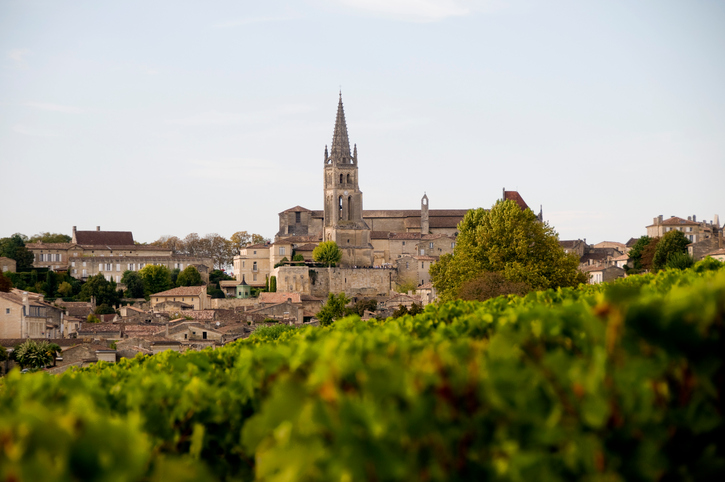
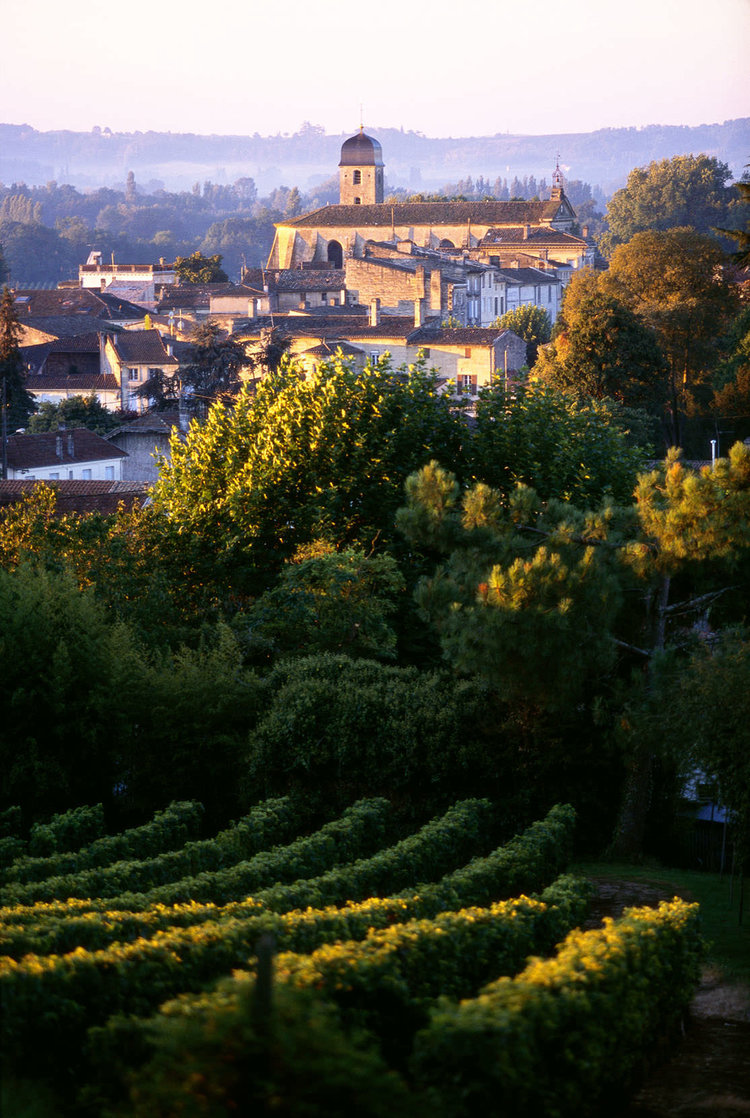
The church of Saint-Émilion above the vines

Photographs

The estate, as shot.
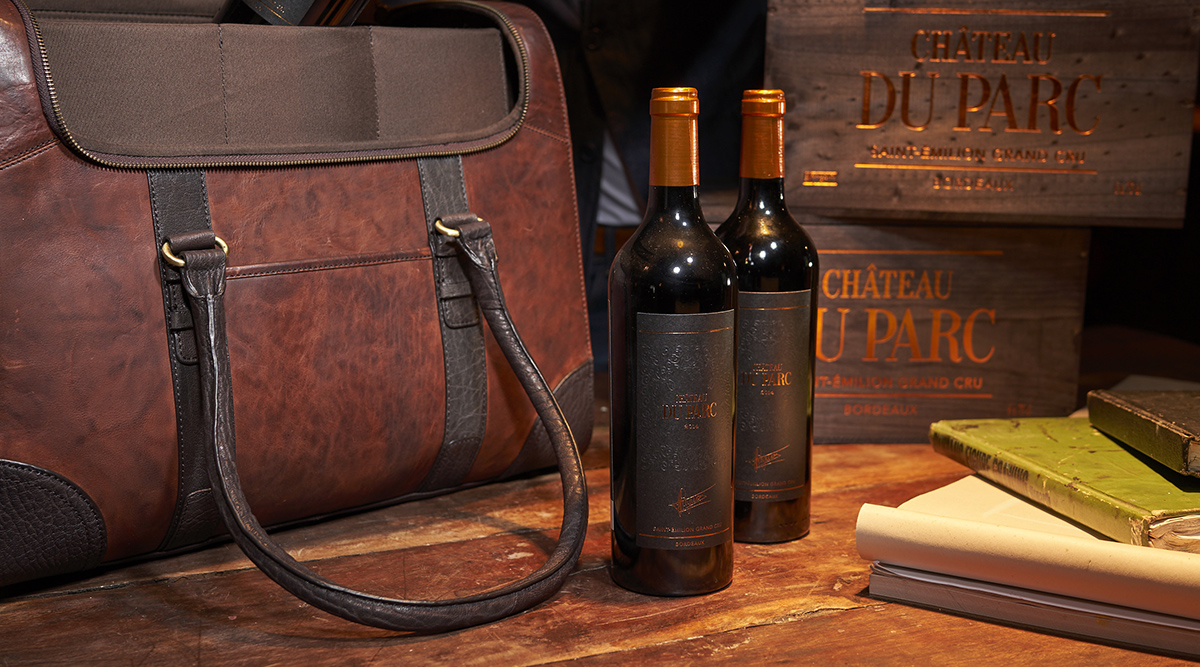
Two bottles of Château Du Parc beside a leather case and branded wooden cases
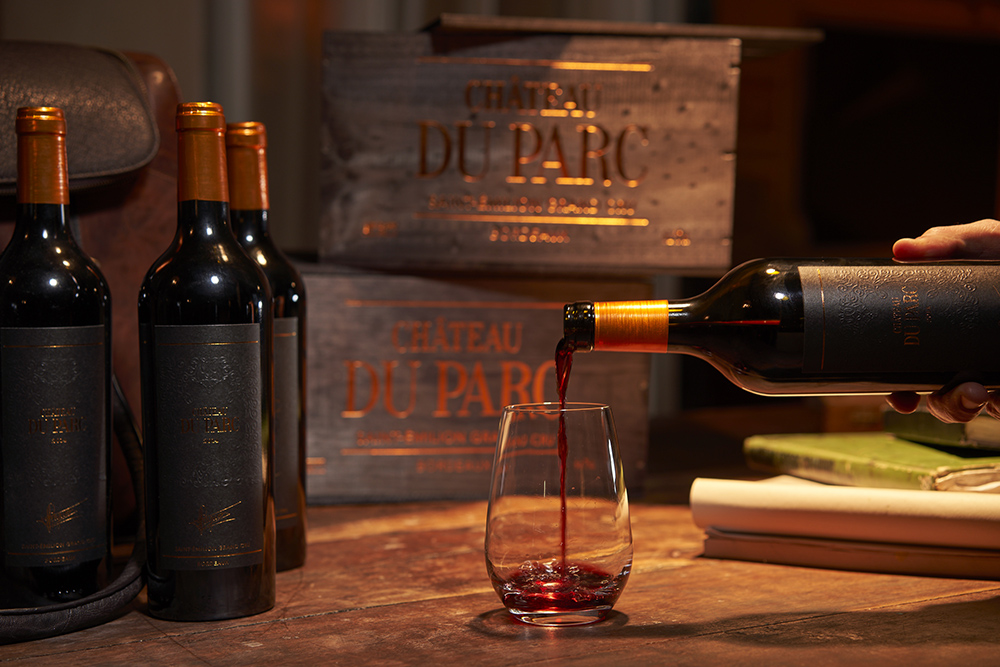
Château Du Parc poured into a glass, wooden cases behind
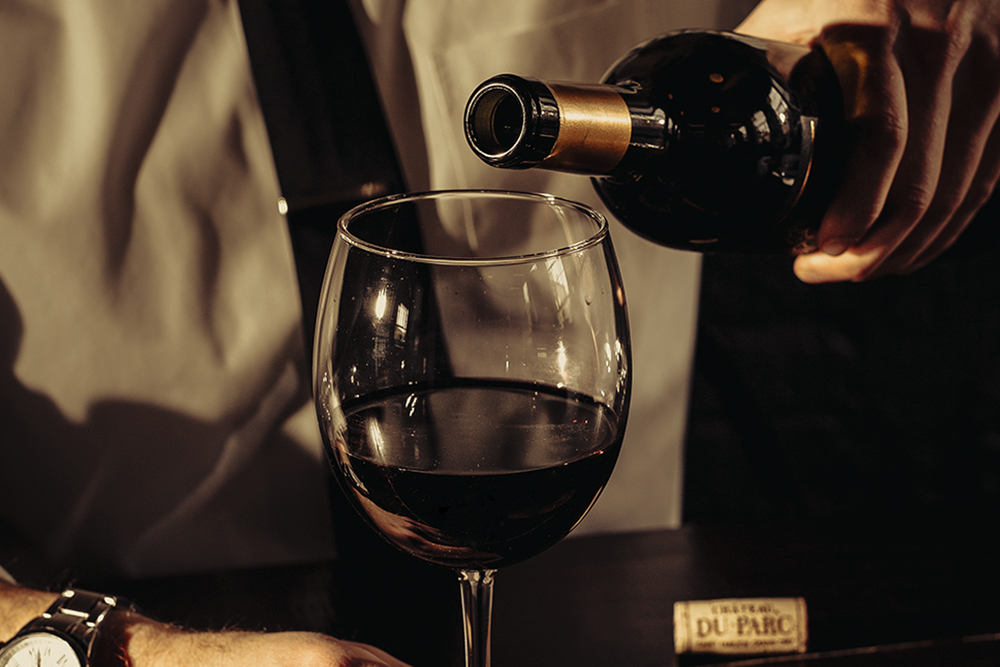
A pour of Château Du Parc, cork on the table
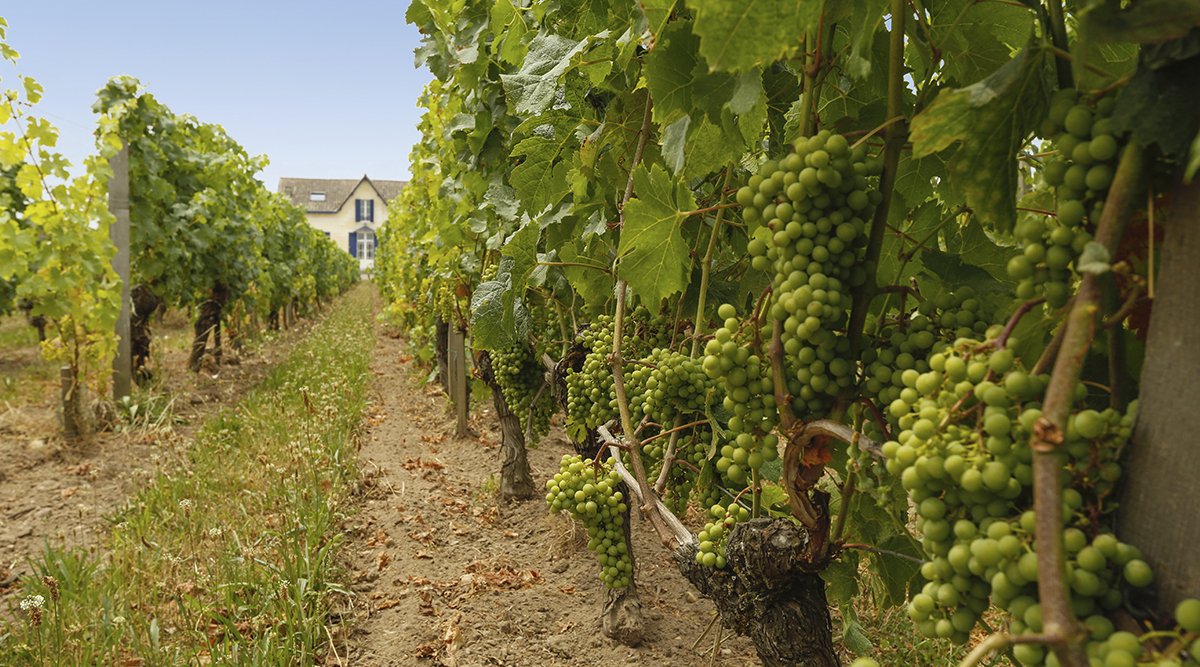
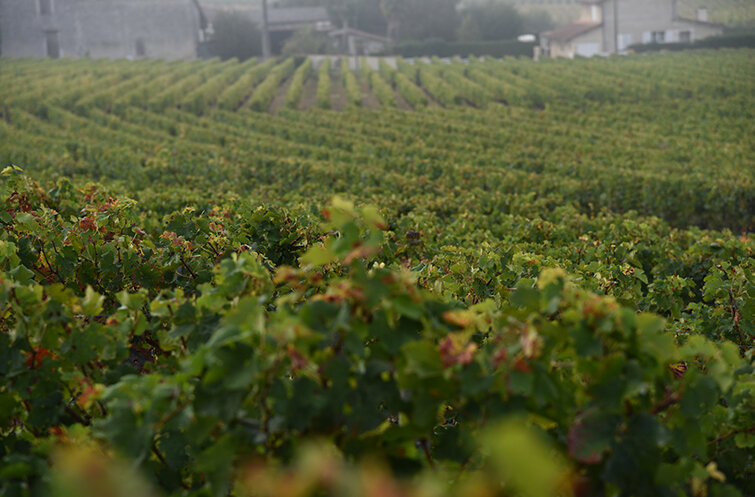
Merlot rows in fruit, the estate house at the end of the row
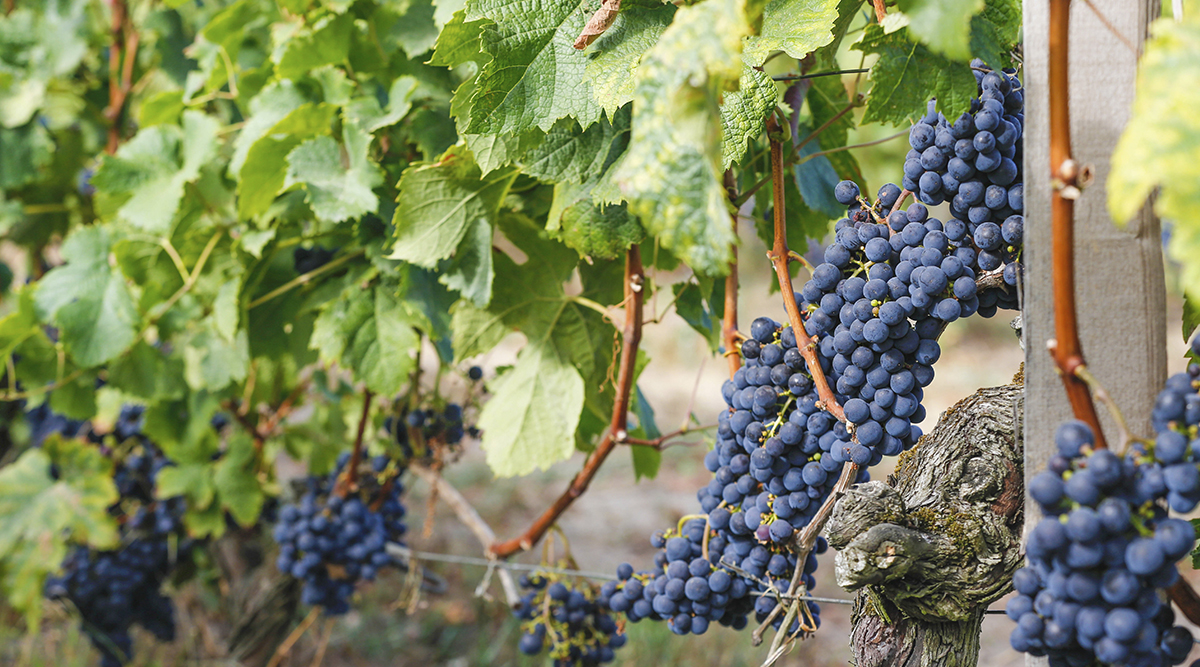
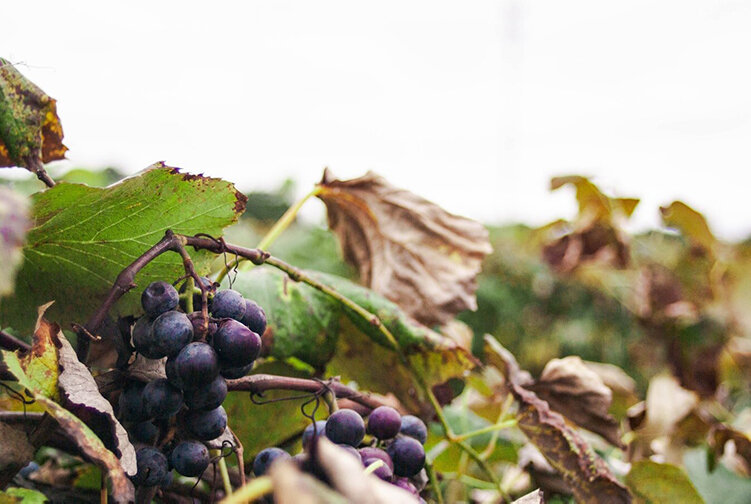
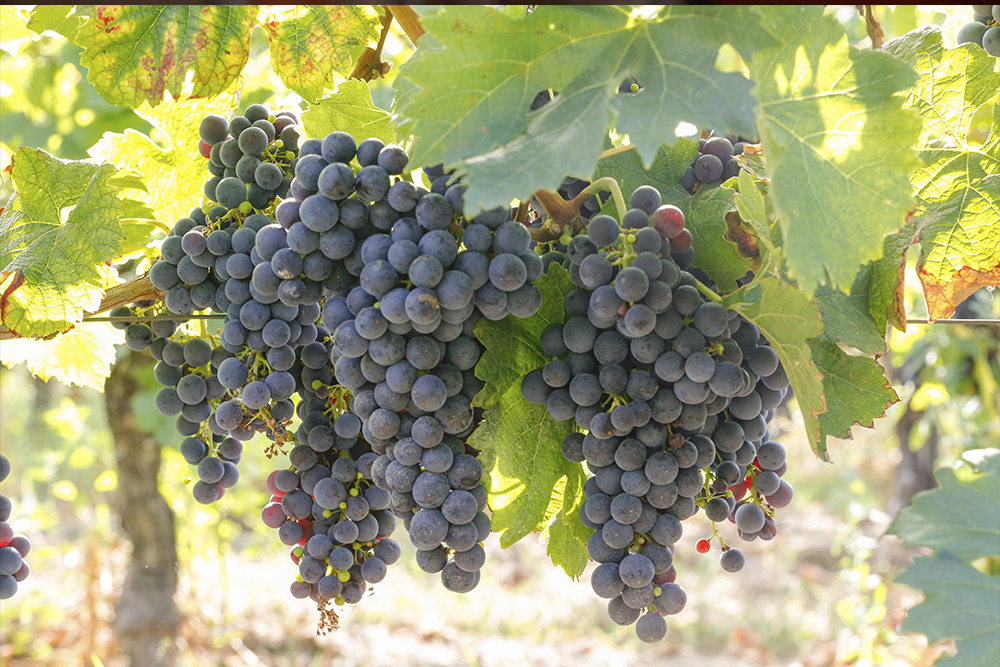
Ripe clusters on the vine
Dark grapes hanging in the Saint-Émilion sun
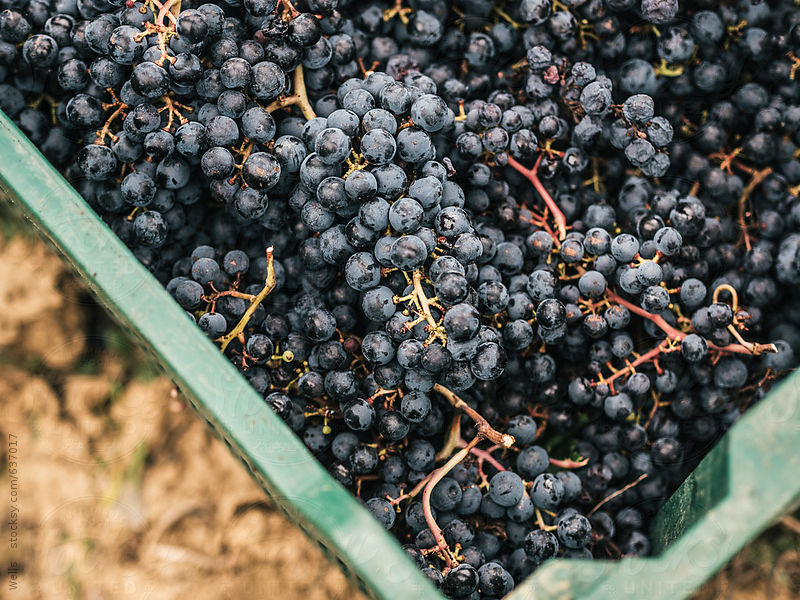
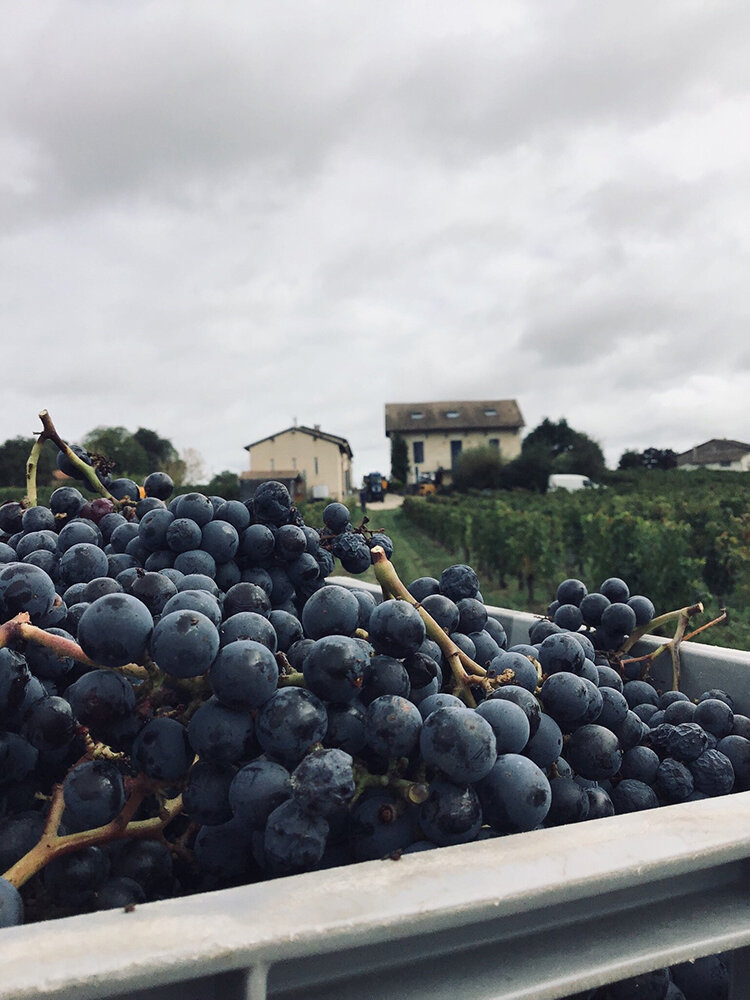
Hand-picked fruit in the harvest bin
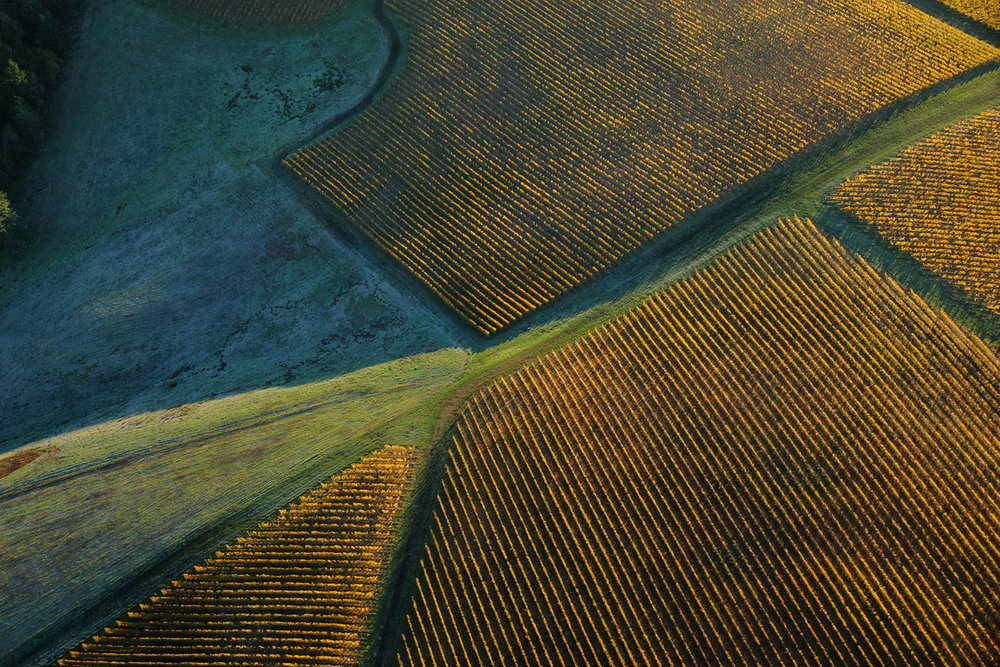
Aerial view of the vineyard blocks
Saint-Émilion village above the vines
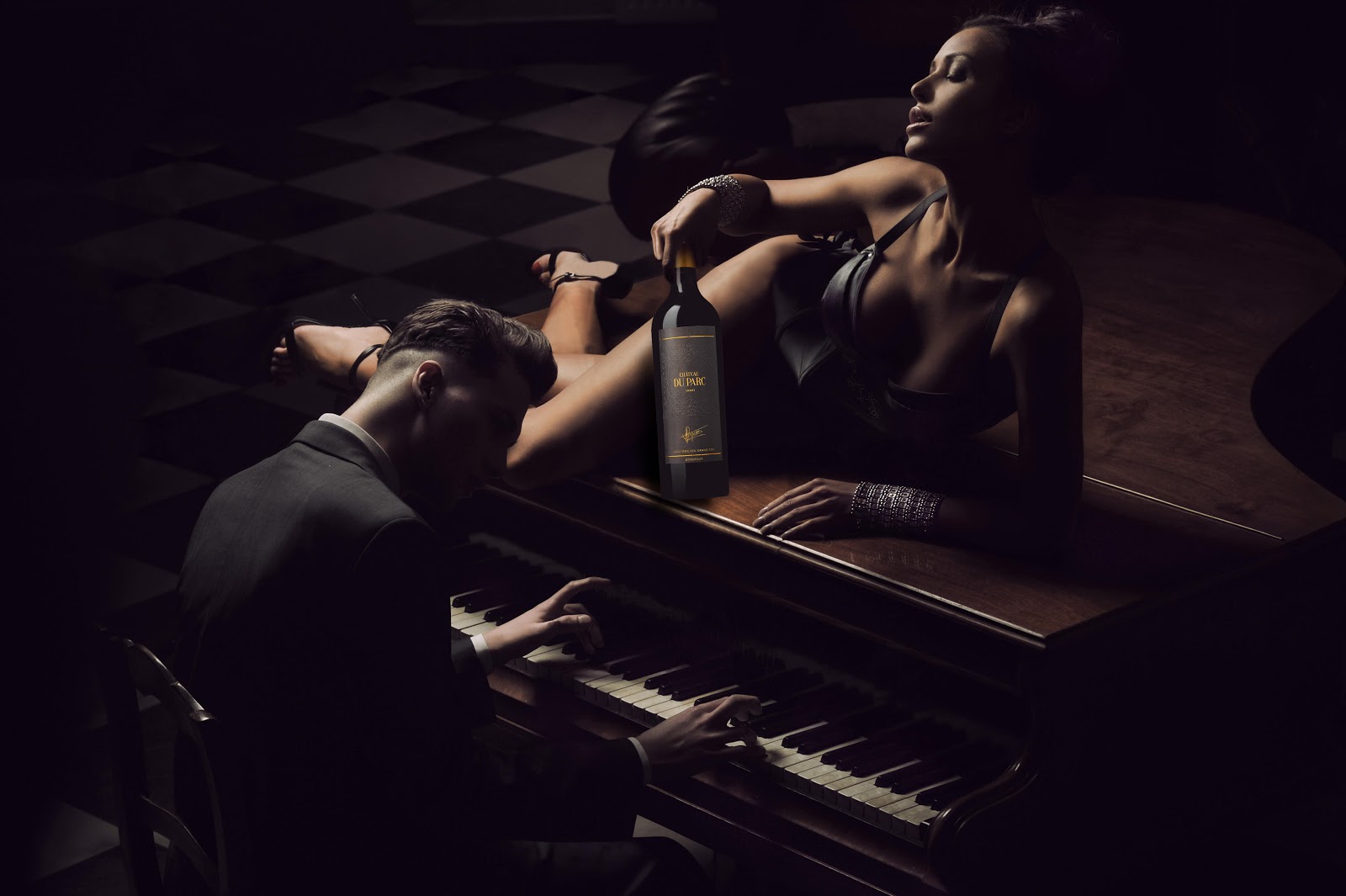
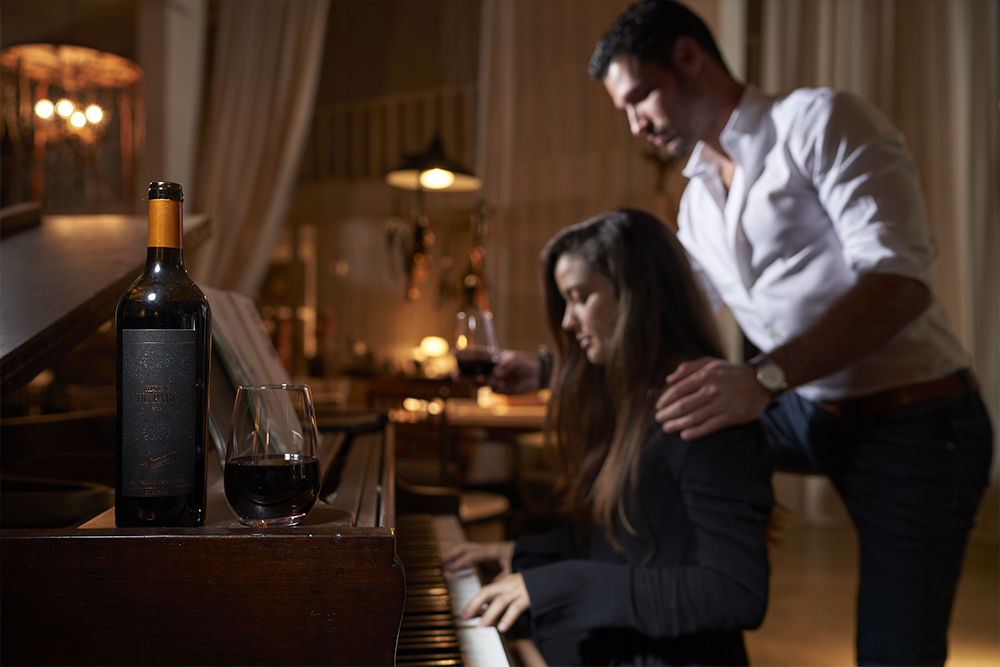
Campaign photograph: the bottle on a piano
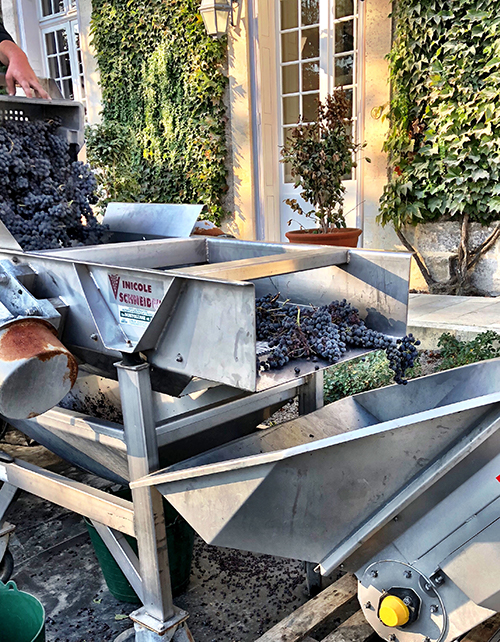
Fruit arriving at the sorting table beside the house
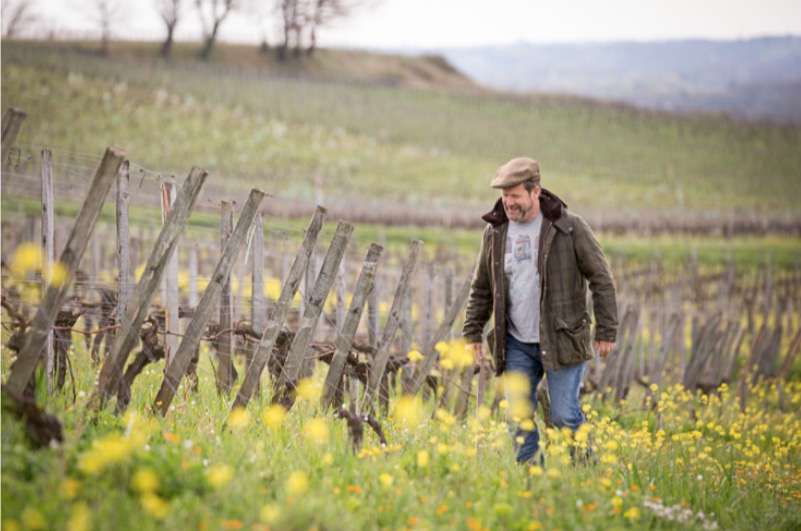
Walking the dormant rows in spring
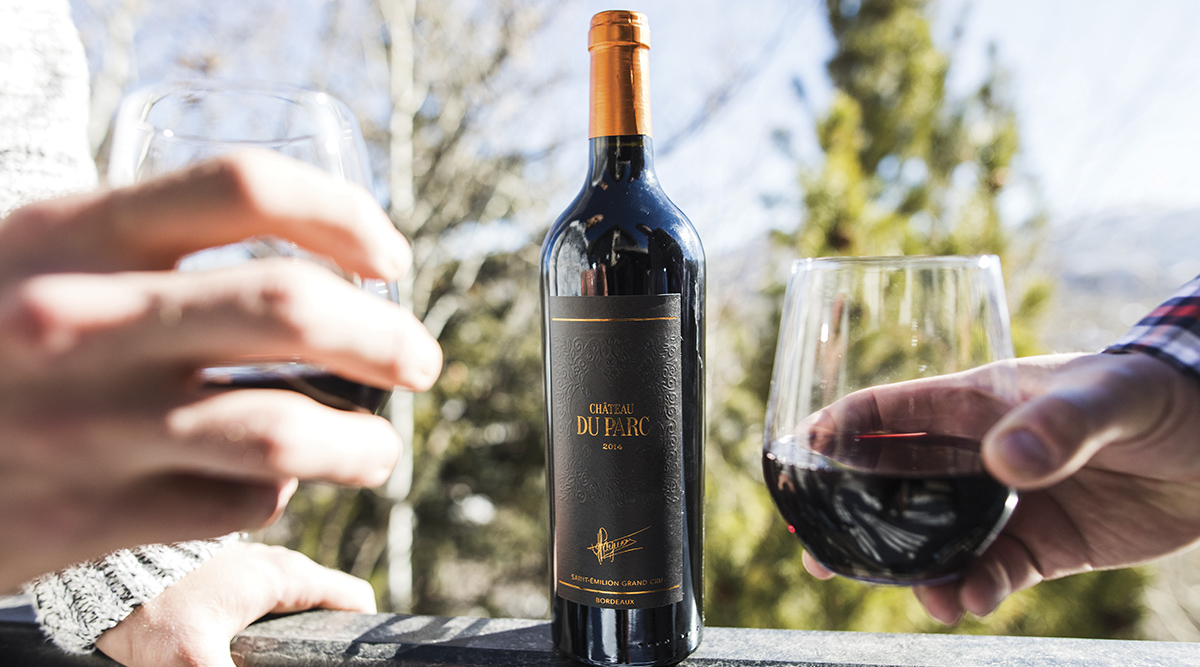
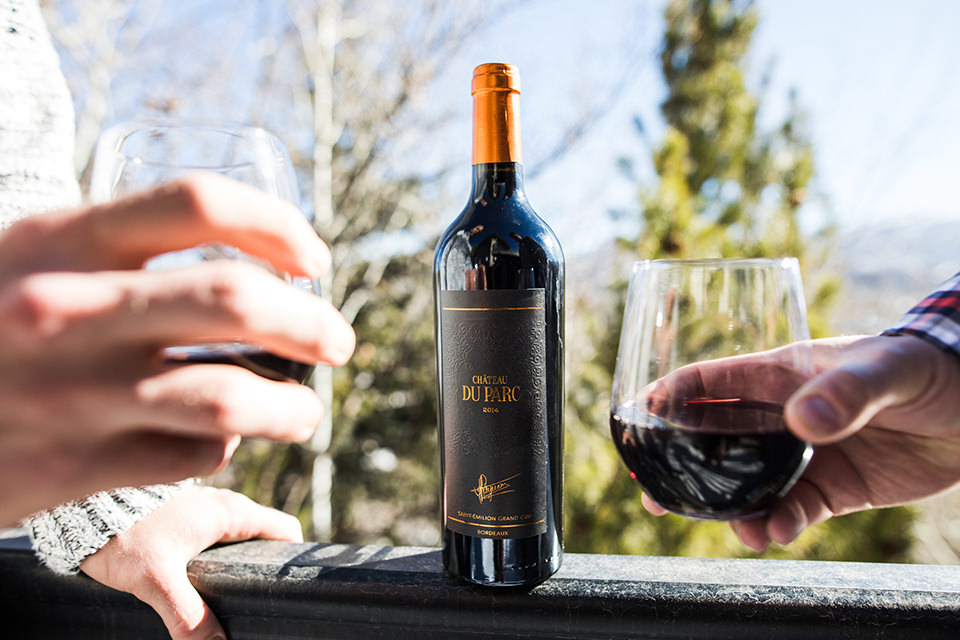
The 2016 bottle between two glasses
The bottle on a piano in the estate’s evening light
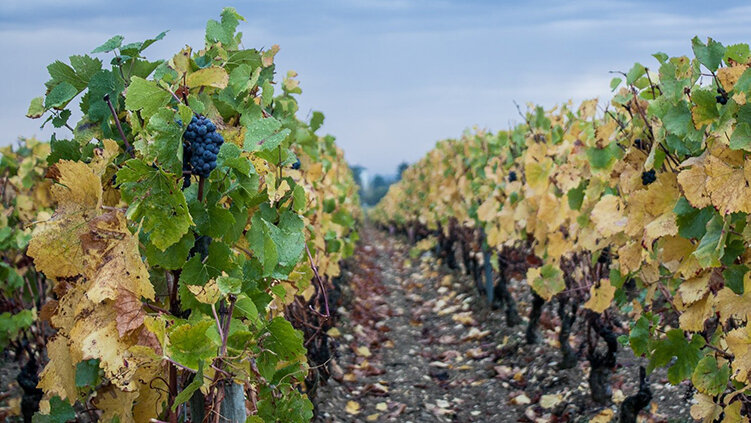
Autumn rows, fruit still on the vine
Mist over the Saint-Émilion plantings
Clusters at the end of the season
The 2019 harvest, the house behind the bin
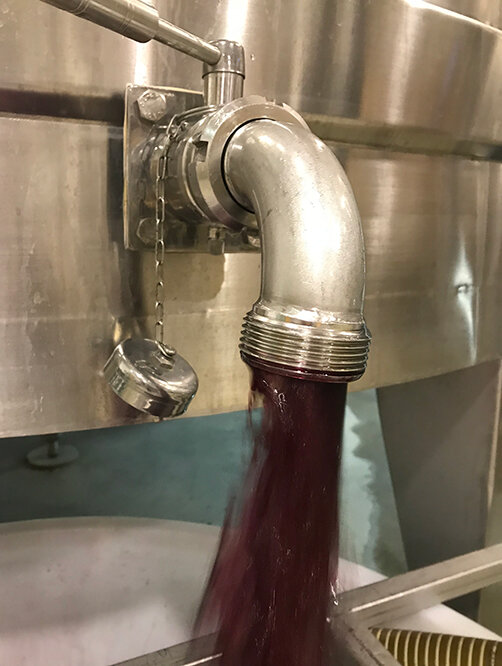
Wine leaving the tank
The village church above the vines
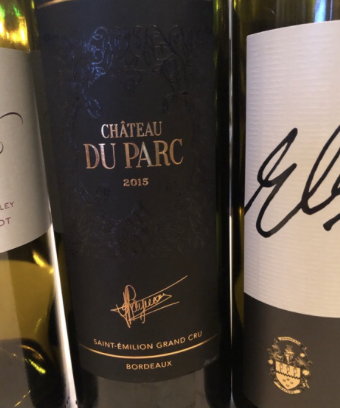
The 2015 bottle
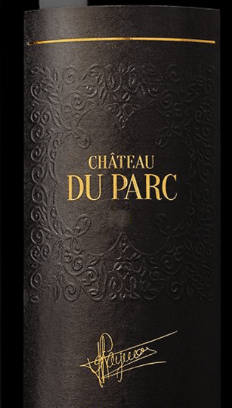
The embossed label
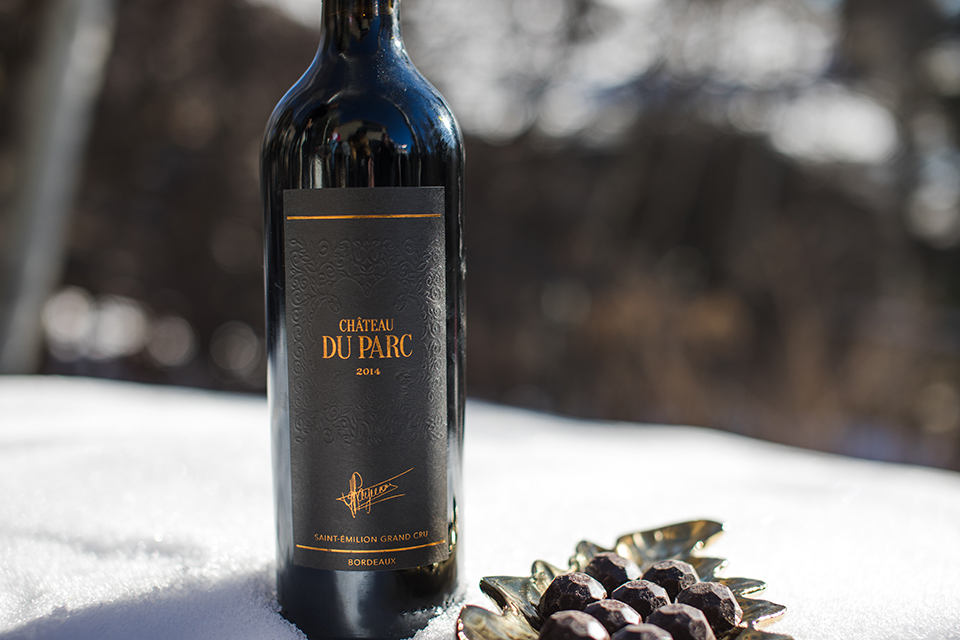
The 2014 bottle
The 2016, poured between two glasses
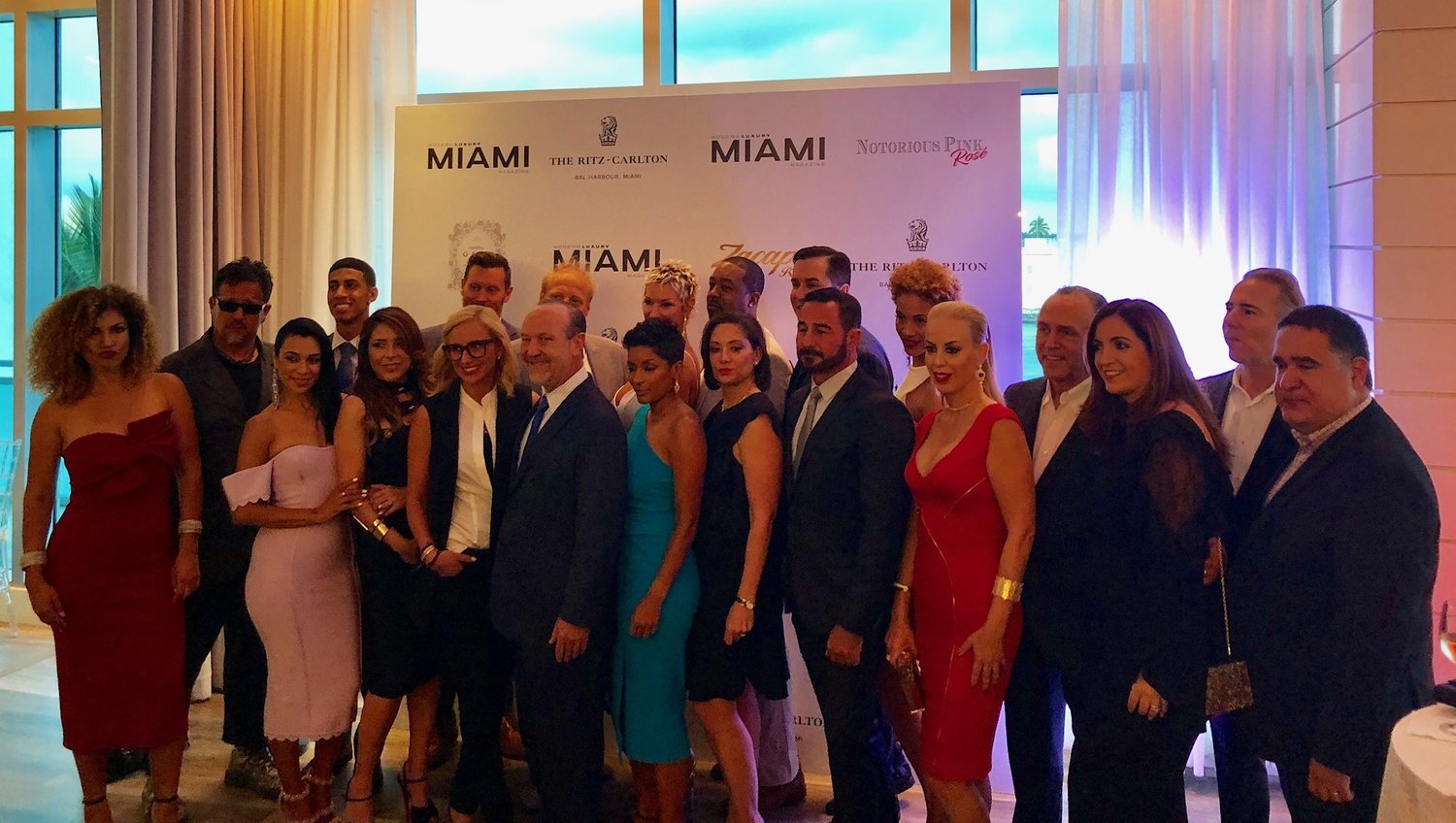
The tasting table at the Miami Magazine evening
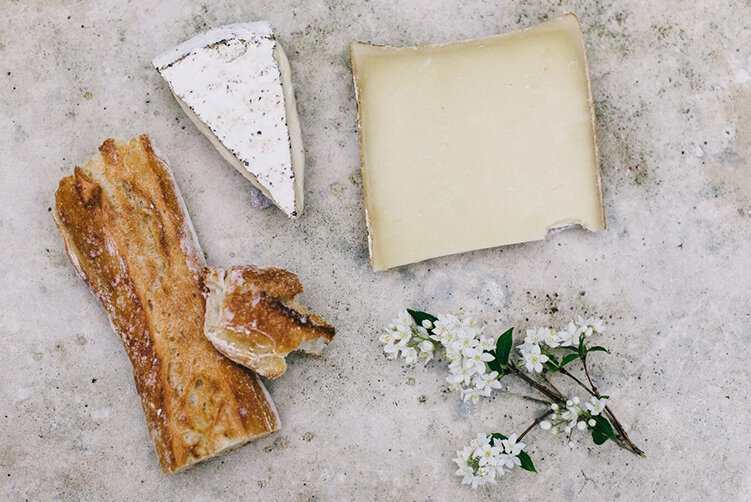
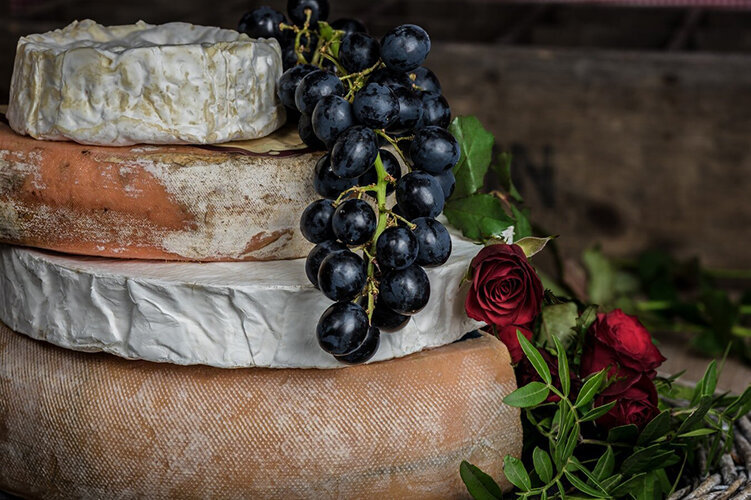
Comté, Camembert, and bread for the bottle
A cheese stack for the autumn board